I set out to find a mountain lake.
I did not find it.
Instead, I found snow covering the trail, the uncomfortable realization that I was lost, and a lesson I have carried into almost every uncertain season since.
Key Takeaways
- You don’t need to see the whole route to make one wise decision.
- A changed destination does not make the effort a failure.
- Trusting yourself includes paying attention to safety and real conditions.
- Smaller questions can reveal the next piece of useful information.
- The terrain may change without erasing what you have learned.
The Destination Looked Simple From the Trailhead
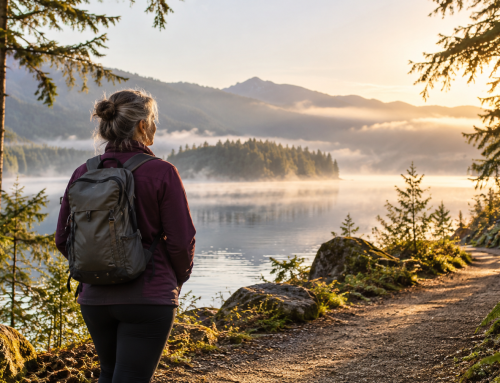
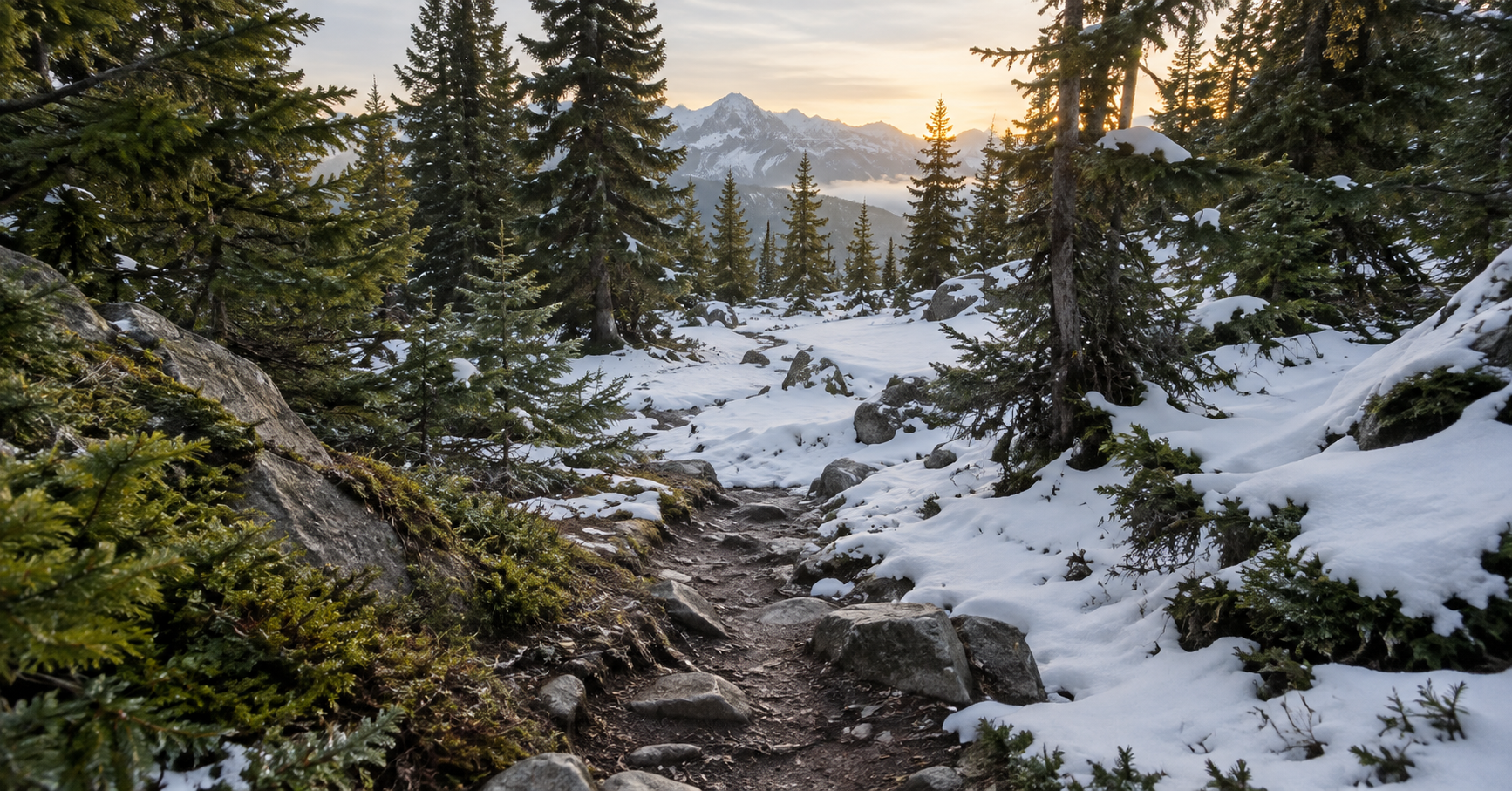
I was in my early twenties, hiking alone in the mountains. The trail climbed through a series of switchbacks toward an alpine lake.
At first, everything made sense. The path was clear. I knew where I wanted to go. All I had to do was keep following the trail.
Then I reached the snow.
It spread beneath the trees and swallowed the path. The footprints disappeared. The trail markers stopped helping. Before long, I realized I had been wandering without knowing whether I was moving forward, backward, or in circles.
The lake was no longer the most important problem. I needed to find my way off the mountain. So the goal changed from reaching the lake to making the next safe decision.
We All Want the Whole Path
Uncertainty feels easier when it is happening to someone else.
When it is our dream, our work, or our life, we want signs. We want the clear trail and the reassuring arrow that says, “Yes, this way.”
But sometimes the path disappears after you have already committed.
The plan changes. The opportunity falls through. The thing that worked before stops working. You know you cannot stay where you are, but you cannot see the route ahead either.
That is usually when self-doubt gets loud.
Or maybe it is simply time to stop looking for certainty and start looking for the next piece of information.
Did you know? The National Park Service advises lost hikers to stop, breathe, assess their location, and retrace their steps only when it is safe. The first useful move is not rushing forward. It is getting oriented.
The Shortcut Was Not the Easy Way
I decided that heading downhill would eventually bring me back to the trail. When that did not happen, I found a creek and followed it, hoping it would lead me off the mountain.
It did. It also took the steepest possible route.
I climbed over downed trees, pushed through brush, and worked my way along the creek until I finally reached the road. I was scratched, exhausted, and seven miles downhill from my car.
I had made it out. Just not where I expected.
A route can be difficult without being wrong, and a changed destination does not automatically mean the effort was wasted.
Trust Does Not Mean Ignoring Risk
As I emerged onto the road, a truck came by and the driver offered me a ride.
I was alone. I was tired. My car was seven miles uphill. I still said no.
Trusting the next step does not mean accepting every shortcut that appears. It means paying attention to what you know, what feels safe, and what tradeoff you are actually being asked to make.
Sometimes courage means saying yes before you feel fully ready. Sometimes courage means saying no, even when yes would be easier.
When You Cannot See the Whole Route
If your path feels unclear right now, try asking smaller questions:
- What do I know for certain?
- What has changed since I made the original plan?
- What option feels safe enough to explore?
- What am I assuming is the only acceptable destination?
- What is the next honest step, not the entire solution?
You may not need a better map yet. You may need to stop, look around, and admit that the terrain has changed.
Pause Before You Push Forward
Give yourself ten quiet minutes to separate what you know from what you fear. Then choose the safest useful step you can actually take.
The Lake Was Not the Lesson
The story I carried home was not about reaching the lake. It was about staying present when the plan disappeared, making decisions with the information I had, and continuing until I found solid ground.
What if not reaching the original destination does not mean you failed?
What if the real invitation is to trust yourself enough to take the next step before the whole path becomes visible?
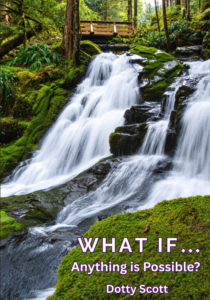
That is one of the ideas behind What If… Anything Is Possible?. The book will not hand you a map. It will help you ask the question that lets you move again.
Ready for Your Next Brave Question?
The nature around us can reveal a better question. What If… Anything Is Possible? helps you see past doubt, reconnect with what you want, and choose one honest next step.